

About the
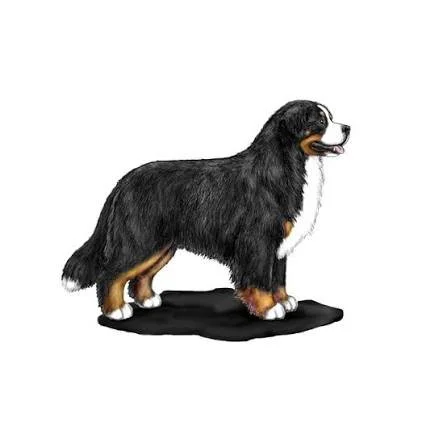
Bernese Mountain Dog
Group: Working
Size: 23-27.5 inches
Weight: 70-115 pounds
Lifespan: 7-10 years average
AKC Meet the Breed:
Temperament
Originally bred for farm work to help farmers drive cattle and pull dairy carts up the Swiss Alps in Switzerland, these dogs are primarily bred as loving companions today. Their gentle nature has earned them a title as one of the most recognized family pets for homes with young children. They are a loving, social, people oriented breed by nature. Typically, they get along well with other dogs and animals.
Grooming
They require regular grooming and brushing to keep their coats healthy and help them regulate their body temperatures. Being bred for cold climates they come to life every time it snows. Many have successfully owned Bernese in warmer climates with accommodations made for them as they do not tolerate heat well. Things like limiting outdoor time to early morning and evenings, cooling vests and hanging out with you in the A/C are all tried and true methods to keep your Berner happy in the Summer months.
Berners are heavy shedders and if dog hair in your home is something that doesn’t thrill you, then this is probably not the breed for you. Taking your Berner for deshedding appointments at your groomer can definitely reduce the amount of shedding, but there is no way to 100% prevent dog hair in your home.
Health
The lifespan of this breed is short for varying reasons. One being that they are a large breed and all large breeds have shorter lifespans in general. However, this breed has varying health problems in the breed including cancer and bloat being the biggest contributors to their short life averages. As your breeder this is something we are happy to discuss with you in more depth and would also encourage you to research more as there are some things that can be done to help reduce the risk of these health factors potentially being an issue.
Bloat is a condition when their stomachs flip causing gas to build up and eventually becomes fatal if emergency care is not given very quickly. This is most often brought on by exercise just before or after eating a large meal or excessive water intake after eating. Our routine includes a light breakfast for our Berner adults with the majority of their calories given at dinner time right before bed. Many suggest feeding meals in their crates and allowing them to digest for 45 mins to an hour after eating to help prevent this. There is also a surgery that can be done at the time of spay and neuter called a gastropexy that permanently attaches the stomach to the abdomen wall that will prevent it from flipping. It can be a bit pricey, but it will eliminate the worry of this from your mind.
Cancer has become increasingly common in the breed, which is caused by a mixture of both genetic and environmental factors. We personally believe feeding as much fresh food (more about this on our Recommended Products/Blog page) as possible, natural treatments as much as possible as well as reducing daily exposure to certain chemicals such as house cleaners and weed killers greatly reduce the environmental risk of cancer. There are also great natural liver detoxes with milk thistle and other herbs as well as mushroom supplements that have had success with cancer treatments.